
1 / 3
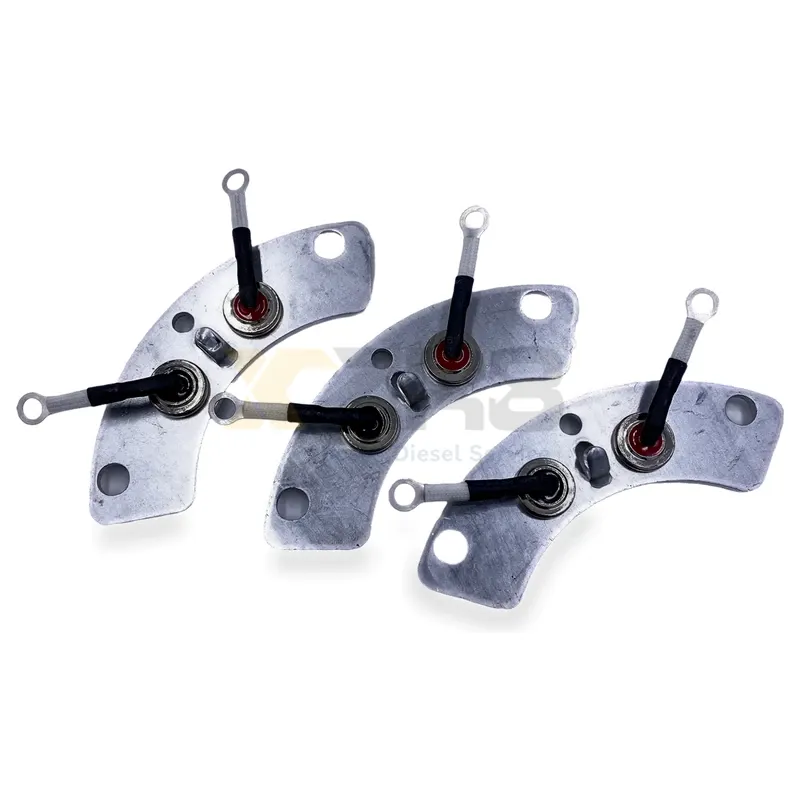
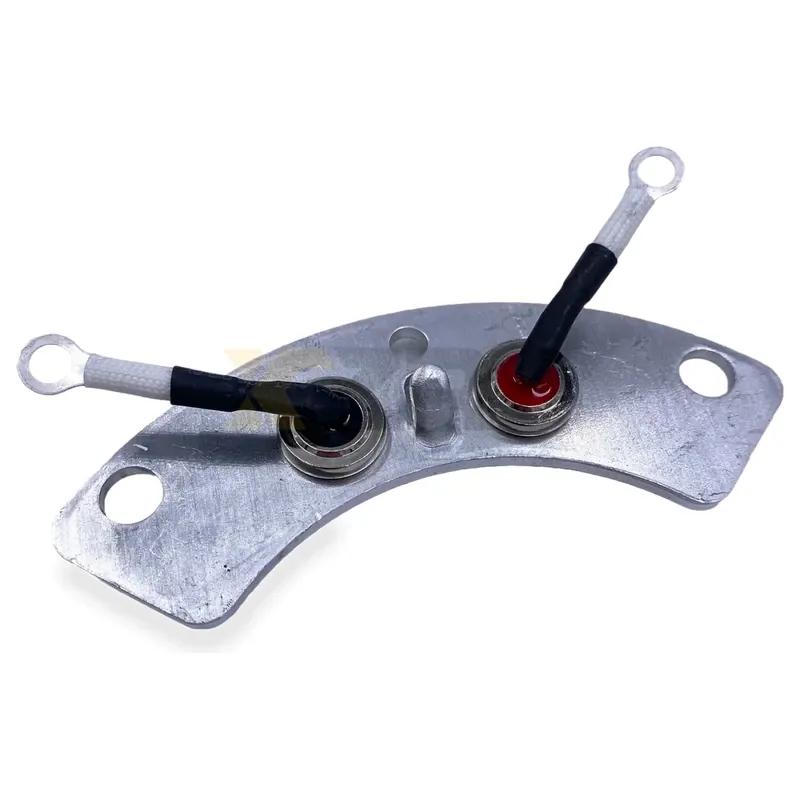
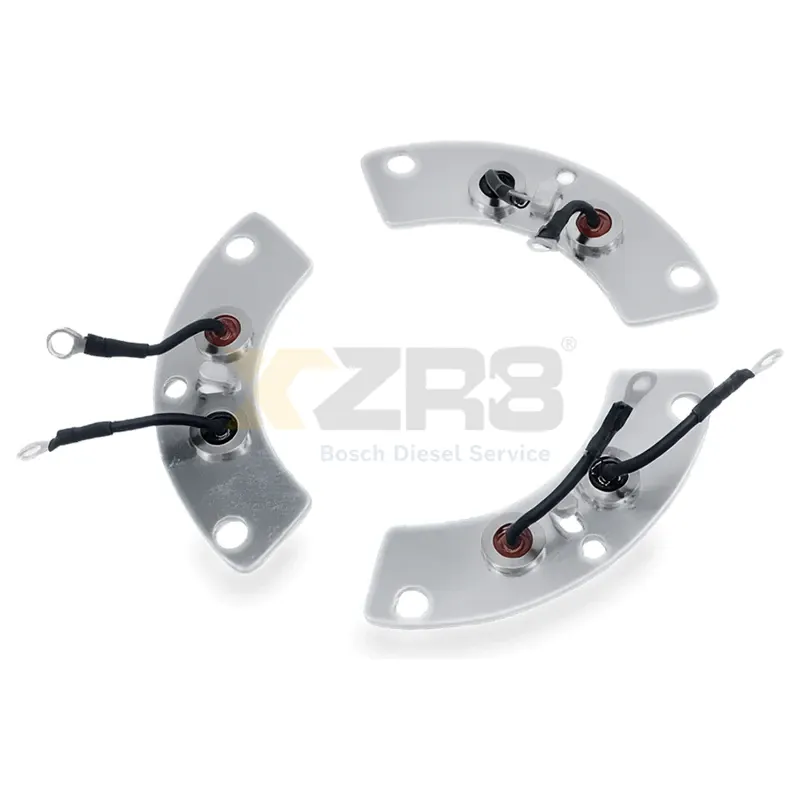
Mecc Alte T30 Rotating Rectifier Bridge Assembly
Express Free Shipping
3-Year Factory Warranty
90-Day Hassle-Free Returns
24/7 Dedicated Support
| Part Type | Rotating Bridge Rectifier (Diode Wheel) |
|---|---|
| Phase Configuration | 3-Phase |
| Diode Configuration | 6 Diodes per Bridge, 3 Bridges per Kit |
| Diode Material | Silicon (Si) |
| Heat Sink Material | Aluminum Alloy |
| Forward Current Rating | Several Hundred Amperes |
| Compatible Alternator Models | ECP28, ECP32, ECP34, ECO38 |
| Generator Set Power Range | 400 kVA - 3000 kVA |
| Hub Diameter | 87 mm |
| Kit Contents | 3 Rectifier Bridge Sectors, Varistors |
| Net Weight | 1.5 kg |
| Package Dimensions | 15 × 15 × 10 cm |
Manufacturer No.
- T30
- 6101001200
OEM Part No.
- 6101001200
Interchange No.
- ZQ50A
- GEDIOT30
Fitment Vehicles
- Mecc Alte ECP28
- Mecc Alte ECP32
- Mecc Alte ECP34
- Mecc Alte ECO38
The Mecc Alte T30 rotating rectifier bridge assembly functions as the excitation module in brushless synchronous alternators. It converts the AC output from the exciter rotor into DC current to supply the main rotor field winding. The assembly consists of three independent bridge rectifier sectors mounted on an aluminum alloy hub, each sector containing a six-diode silicon configuration rated for several hundred amperes forward current.
This rectifier kit is engineered for direct installation on Mecc Alte alternator models ECP28, ECP32, ECP34, and ECO38, covering a typical generator set power range from 400 kVA to 3000 kVA. The diode wheels are constructed with high-purity silicon junctions to ensure low forward voltage drop and high surge withstand capability under transient loading conditions. The aluminum alloy structure provides thermal dissipation and mechanical stability at operational speeds.
The service kit includes three complete rectifier bridge sectors (often referred to as a 3-piece set) and associated varistors for voltage spike suppression. Installation requires precise torque application on the rotor shaft to maintain dynamic balance. The component serves as a critical wear item in the excitation system, with replacement intervals dictated by operating environment and thermal cycling severity.
Related Technical Components & Compatible Parts
Weichai 612600090808 Alternator Assembly
612600090808Weichai
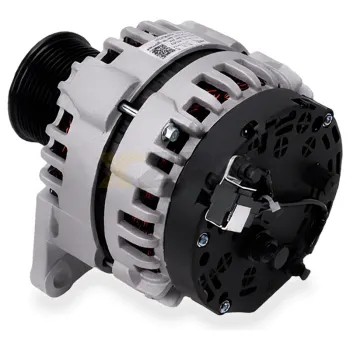
AVI V37380N008N0 Alternator Assembly
AVIH2811Avi
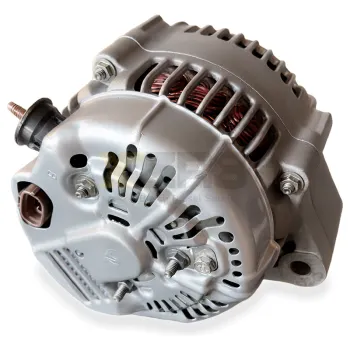
Denso 100211-6240 Alternator Assembly 24V 60A
100211-6240Denso
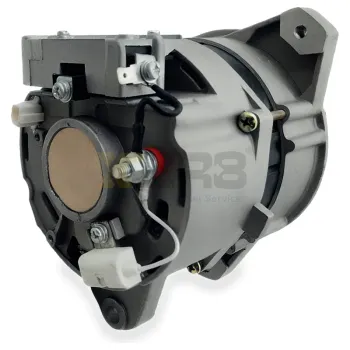
Yingfeng JFZ273C Alternator Assembly
JFZ273CYingfeng
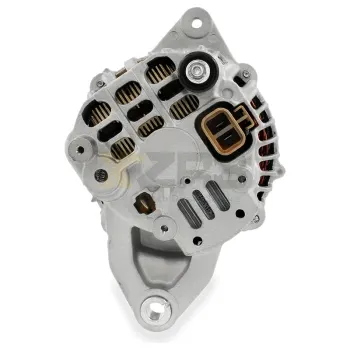
Valeo TA0002656068 Alternator Assembly
TA0002656068Valeo
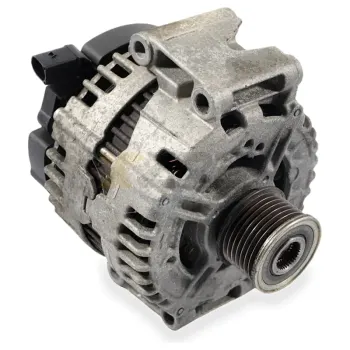
Mercedes-Benz A0131547002 Alternator Assembly
0121715015Bosch
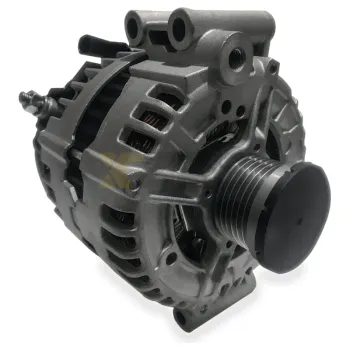
Bosch 0121715115 Alternator Assembly
0121715011Bosch
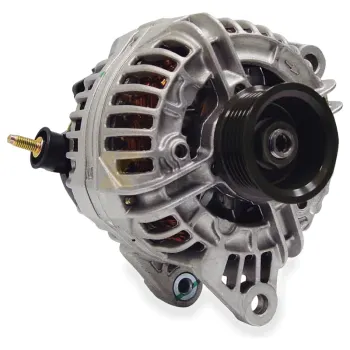
Yingfeng 390000120 Alternator Assembly
390000120Yingfeng